
Dialectical Behavior Therapy in Redwood City CA and Bay Area CA
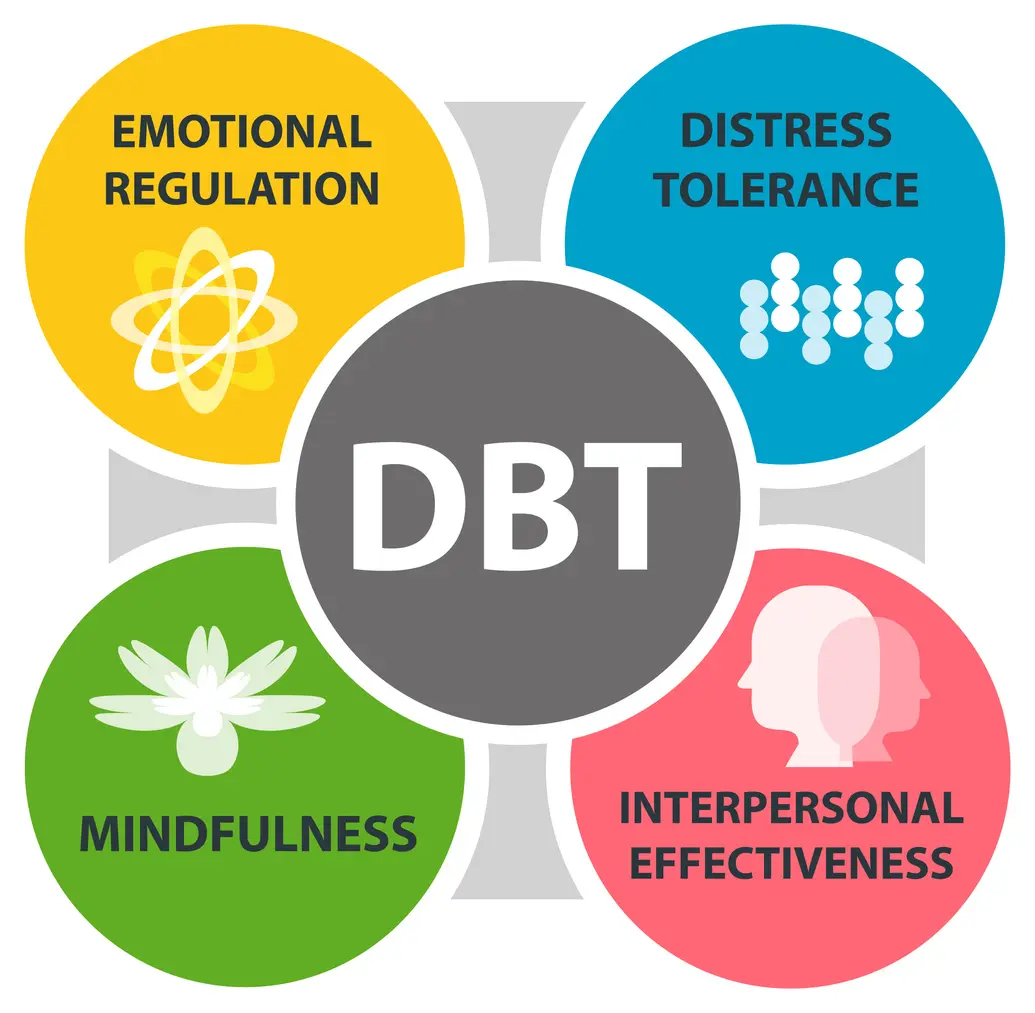
At Beyond Measure, DBT focuses on helping you build practical skills for mindfulness, distress tolerance, emotion regulation, and interpersonal effectiveness. These skills can create more space between what you feel and how you respond, giving you greater choice in difficult moments.
DBT was originally developed to treat people experiencing significant emotional dysregulation and suicidal or self-harming behaviors, and it has since been adapted for a broader range of concerns. DBT skills may be helpful for people experiencing intense emotions, self-destructive coping mechanisms, mood concerns, eating disorders, relationship difficulties, anxiety, or other patterns that make it difficult to respond in ways that align with their goals.
DBT Therapy for Emotion Regulation in Redwood City CA
- Emotions that become overwhelming very quickly
- Reacting during conflict and regretting it afterward
- Shutting down or disconnecting when situations become intense
- Difficulty tolerating uncertainty, frustration, or disappointment
- Feeling highly sensitive to rejection, criticism, or conflict
- Impulsive decisions or behaviors during moments of distress
- Self-harm or other self-destructive coping behaviors
- Relationship patterns that feel unstable, painful, or exhausting
- Difficulty recovering after an argument or stressful event
- Intense shame or self-criticism after emotional reactions
- Feeling like you need to suppress emotions completely in order to function
- Knowing what you want to do differently but struggling to access those skills when emotions are strong
DBT does not begin with the assumption that emotions themselves are the problem.
Emotions provide information. The goal is to learn how to notice and understand them, tolerate difficult moments, and choose responses that are more consistent with your values and goals.
You can:
- Be doing the best you can and still need to make changes.
- Accept yourself as you are and still work toward growth.
- Have valid emotions while also recognizing that a particular behavior may not be helping you.
- Be experiencing a genuinely difficult situation and still learn skills for responding differently.
This balance between acceptance and change is at the heart of DBT.
Therapy is not about shaming you into behaving differently. At the same time, validation does not mean that painful or harmful patterns have to remain unchanged.
Instead, DBT helps you understand why a response may have developed while building new skills that give you additional choices.
This can be especially important for people who already respond to difficult emotions with significant self-criticism. Shame often makes it harder to regulate emotions or change behavior. DBT offers a framework for acknowledging what is happening without giving up on the possibility of change.
Dialectical Behavior Therapy for Coping Skills in Bay Area CA
These are not traits that you either have or do not have. They are skills that can be learned, practiced, and strengthened over time.
Mindfulness
Mindfulness in DBT means developing greater awareness of what is happening in the present moment without immediately reacting to it.
You may begin to notice:
- What you are thinking
- What you are feeling
- Physical sensations in your body
- Urges to act
- Environmental cues
- Patterns in your interactions with other people
For example, instead of immediately leaving an argument, you might notice, “I am feeling overwhelmed and I have a strong urge to shut down.”
That small shift, from automatically acting on an urge to simply noticing it first, can create room for another choice.
The goal of mindfulness is not to empty your mind or make uncomfortable thoughts disappear. It is to help you observe your experience with greater clarity.
Distress Tolerance
Distress tolerance focuses on getting through difficult moments without responding in ways that create additional problems.
Some situations cannot be solved immediately. You may need to tolerate the feelings associated with a breakup, conflict, disappointment, uncertainty, painful memory, intense craving, or another stressful experience before you can decide what to do next.
When distress feels unbearable, it can be tempting to reach for behaviors that provide immediate relief but create longer-term difficulties. This might include self-harm, impulsive behavior, substance use, lashing out, avoidance, or other forms of escape.
DBT distress-tolerance skills can help you navigate the peak of an emotional experience more safely while you determine what can, and cannot, be changed about the situation.
The goal is not to convince yourself that something painful is okay. It is to help you get through the moment without making an already difficult situation harder.
Emotion Regulation
Emotion regulation is not about suppressing, denying, or getting rid of emotions.
Instead, it involves learning more about how emotions work, recognizing what contributes to emotional intensity, and developing strategies for responding effectively.
Emotion-regulation work may include:
- Identifying emotions more accurately
- Recognizing triggers and patterns
- Understanding vulnerability factors such as stress, sleep, or hunger
- Learning strategies for reducing emotional intensity
- Building routines that support emotional stability
- Practicing skills before emotions become overwhelming
- Separating an emotion from the behavior that follows it
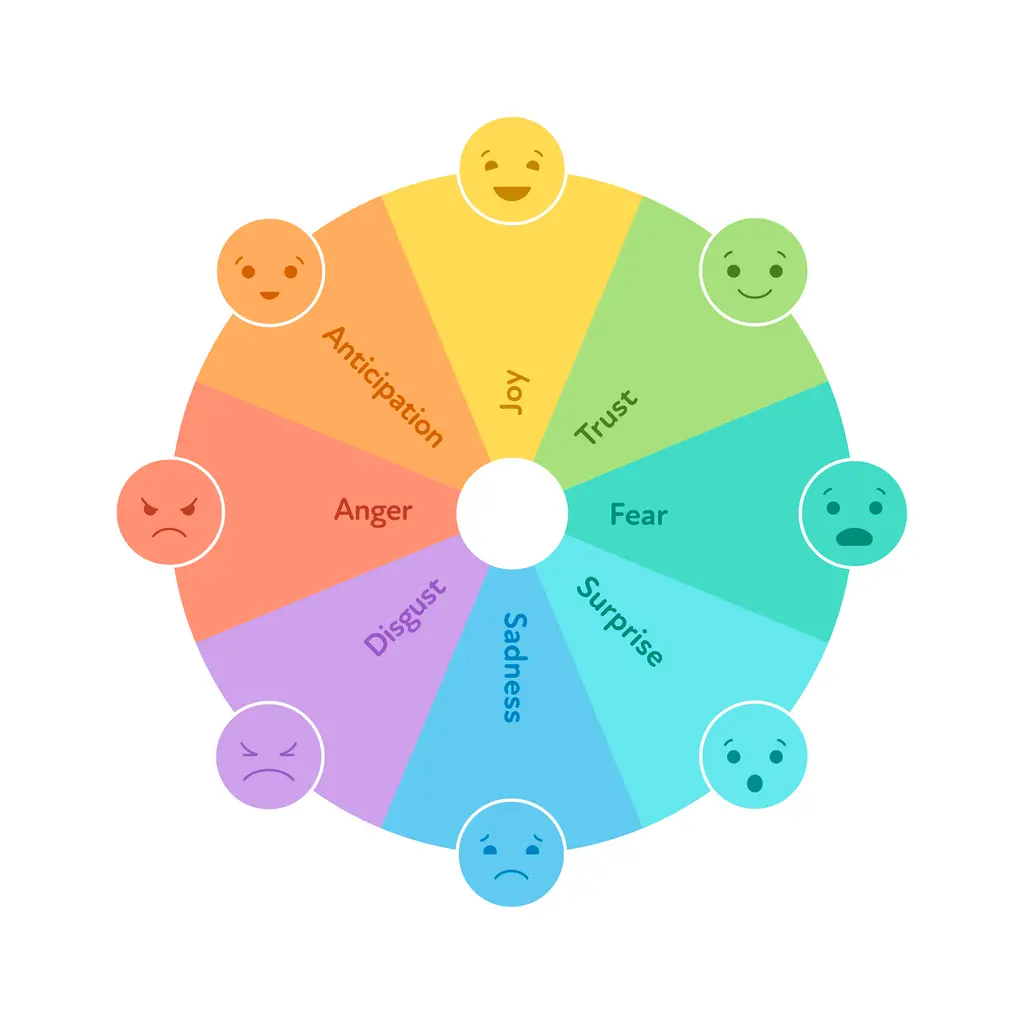
Emotions can provide meaningful information. Anger may signal that a boundary has been crossed. Sadness may reflect loss. Fear may alert us to a perceived threat.
The goal is not to tell yourself that the emotion is wrong. It is to understand what the emotion is communicating and decide how you want to respond.
Interpersonal Effectiveness
Interpersonal effectiveness focuses on communicating clearly, maintaining relationships, setting boundaries, and protecting your self-respect.
DBT recognizes that different interactions may require different goals.
Sometimes you want to maintain a relationship. Sometimes you need to ask for something directly. Sometimes the most important thing is setting a boundary. Other times, your priority may be responding in a way that allows you to maintain your self-respect even if the other person disagrees.
Interpersonal-effectiveness skills may help with:
- Asking for what you need
- Saying no
- Setting boundaries
- Communicating assertively
- Navigating conflict
- Repairing relationships after difficult interactions
- Balancing relationships with personal values
- Responding rather than reacting
These skills can be particularly helpful when relationship stress and emotional intensity tend to reinforce one another.
At Beyond Measure, DBT-informed therapy may be appropriate for people experiencing:
- Intense or rapidly changing emotions
- Difficulty tolerating distress
- Self-harm or other self-destructive behaviors
- Impulsive responses during periods of stress
- Chronic shame or self-criticism
- Anxiety and emotional overwhelm
- Mood-related concerns
- Eating disorders or disordered eating
- Repeated relationship conflict
- Emotional shutdown or avoidance
Not everyone needs the same DBT skills or level of structure. Your therapist will consider your concerns, goals, history, and circumstances when determining how DBT may fit into your treatment.
For clients experiencing current or recurrent self-harm, suicidal thoughts, or other significant safety concerns, treatment planning may also involve assessing safety and determining whether additional or different levels of support are needed.
Eating disorder behaviors may serve different functions for different people. For some, a behavior may temporarily reduce overwhelming emotion, create a sense of control, numb distress, or provide a way of coping with difficult experiences.
DBT skills can provide additional ways to tolerate and regulate difficult emotions while eating disorder treatment addresses the behaviors and beliefs that maintain the disorder.
At Beyond Measure, our therapists and registered dietitians can coordinate care when appropriate. This allows emotional and behavioral work to be considered alongside the nutritional needs of recovery rather than treating these areas as completely separate.
Our approach to eating disorder treatment is also grounded in a size-inclusive, anti-diet framework. Feeling better does not require changing your body or earning permission to care for yourself.
DBT Counseling for Distress Tolerance in Redwood City CA
DBT-informed teen therapy may help adolescents learn to:
- Identify and name emotions
- Notice emotional triggers
- Tolerate distress without escalating a situation
- Pause before acting on an urge
- Use grounding and mindfulness skills
- Communicate needs more effectively
- Navigate conflict
- Repair relationships after difficult interactions
- Develop alternatives to self-destructive coping
Parent involvement is individualized. Some adolescents benefit from greater caregiver participation, while others need more privacy within individual therapy.
When parents are involved, the goal is not to turn them into their teen’s therapist. Instead, caregivers can learn ways to understand emotional patterns, respond more effectively, and support skill use outside of sessions.
A session might involve:
- Reviewing a recent difficult situation
- Identifying emotions, thoughts, physical sensations, and urges
- Learning a specific DBT skill
- Practicing the skill together
- Identifying barriers to using the skill
- Applying the skill to a real-life situation
- Creating a plan for the next time a similar situation occurs
- Reviewing what happened between sessions
Learning a skill while calm is different from remembering it when emotions are intense. Practice helps bridge that gap.
Over time, the goal is for skills to become easier to access when they are actually needed.
Your therapist considers your symptoms, goals, developmental stage, relationships, identity, history, strengths, and the circumstances surrounding your current concerns.
We also recognize that emotional responses make sense within context. Therapy is not simply about teaching someone to “calm down.” It is about understanding what is happening, identifying what is within your control, and developing skills that allow you to respond with greater flexibility.
For clients receiving care from multiple members of our team, therapists and registered dietitians can coordinate when appropriate so treatment feels connected rather than fragmented.
DBT Therapist Support for Relationships Across Bay Area CA
Strong emotions are part of being human.
Instead, progress may look like:
- Noticing emotions earlier
- Recognizing patterns that lead to escalation
- Pausing before acting on an urge
- Tolerating distress without immediately trying to escape it
- Using fewer self-destructive coping behaviors
- Recovering more quickly after conflict
- Communicating needs more directly
- Setting and maintaining boundaries
- Responding to yourself with less shame
- Making choices that reflect your values
- Feeling more confident in your ability to handle difficult moments
The goal is not to make emotions disappear. It is to increase your ability to experience emotions without having them determine every decision.
What is Dialectical Behavior Therapy?
Dialectical Behavior Therapy, or DBT, is an evidence-based, skills-focused form of psychotherapy designed to help people manage intense emotions, tolerate distress, navigate relationships, and respond to difficult situations more effectively.
DBT emphasizes both acceptance and change. You can acknowledge that something is genuinely difficult while also learning skills that may help you respond differently.
What are the four DBT skills?
The four core DBT skill areas are mindfulness, distress tolerance, emotion regulation, and interpersonal effectiveness.
Mindfulness focuses on noticing your present experience without immediately reacting. Distress tolerance helps you get through difficult moments without making them worse. Emotion regulation involves understanding and responding to emotions more effectively. Interpersonal effectiveness focuses on communication, boundaries, relationships, and self-respect.
Is DBT only for borderline personality disorder?
No. DBT was initially developed for people experiencing significant emotional dysregulation and suicidal or self-harming behaviors, including people with borderline personality disorder. DBT principles and skills have since been adapted for a wider range of concerns.
DBT-informed treatment may be useful when intense emotions, impulsive behaviors, self-destructive coping, relationship difficulties, or difficulty tolerating distress are interfering with someone’s life.
Does DBT mean I have to control or suppress my emotions?
No. DBT does not ask you to stop feeling emotions.
Instead, it helps you understand emotions, tolerate difficult experiences, and separate an emotional response from the behavior that follows it. You can experience anger, sadness, anxiety, or disappointment while still developing choices about how you respond.
Can DBT help with self-harm?
DBT was developed in part to address suicidal and self-harming behaviors, and DBT skills can be incorporated into treatment when self-harm is part of someone’s coping pattern.
Because self-harm can involve significant safety concerns, the appropriate treatment and level of care depend on the individual. A therapist can help assess the situation and determine what type of support is appropriate.
Can DBT help with eating disorders?
DBT skills may be incorporated into eating-disorder treatment when emotional regulation, distress tolerance, or impulsive coping are part of the clinical picture.
At Beyond Measure, therapy can also be coordinated with registered dietitian support when appropriate, allowing emotional and nutritional aspects of recovery to be addressed together.
Is DBT appropriate for teens?
Yes. DBT skills can be adapted for adolescents and may be useful for concerns such as emotional overwhelm, conflict, impulsive behavior, self-harm, anxiety, depression, and difficulty tolerating distress.
Parent involvement is individualized based on the teen’s developmental needs and treatment goals.
How do I know if DBT is right for me?
You do not need to determine that before reaching out.
During a free consultation, the Beyond Measure team can learn more about what you are experiencing, what you hope to change, and what kind of support may be most appropriate. DBT may be a primary treatment approach, one component of therapy, or another approach may be a better fit for your needs.
How do I begin DBT-informed therapy?
Beyond Measure offers DBT-informed therapy in Redwood City and virtually throughout California. You can begin with a free 15-minute consultation to discuss your concerns and goals.
During the consultation, we can also help determine whether in-person therapy or virtual therapy is the better fit and connect you with a clinician whose experience and approach align with your needs.
Dialectical Behavior Therapy can provide practical skills for navigating difficult emotions, tolerating distress, communicating more effectively, and making choices that are more aligned with your values.
Beyond Measure offers DBT-informed therapy in Redwood City, CA and throughout the Bay Area, with virtual therapy available across California when appropriate. Our therapists combine evidence-based treatment with warmth, collaboration, and individualized care.
📞 Call: (650) 332-9583
🖥️ Book Online: Free 15-min Consultation
📩 Email: info@beyondmeasuresfbay.com
your healing journey today.